
In recent months, Goa’s pristine beaches have witnessed a troubling surge in marine wildlife fatalities, with dolphins, porpoises, and other sea creatures regularly washing ashore. Conservationists and local residents alike are expressing deep concern about the ecological impact, calling on government agencies to take action. This issue, which has only intensified over the year, points to possible causes such as pollution, fishing net entanglement, and habitat degradation.
Increasing Cases of Marine Deaths Along Goa’s Shores
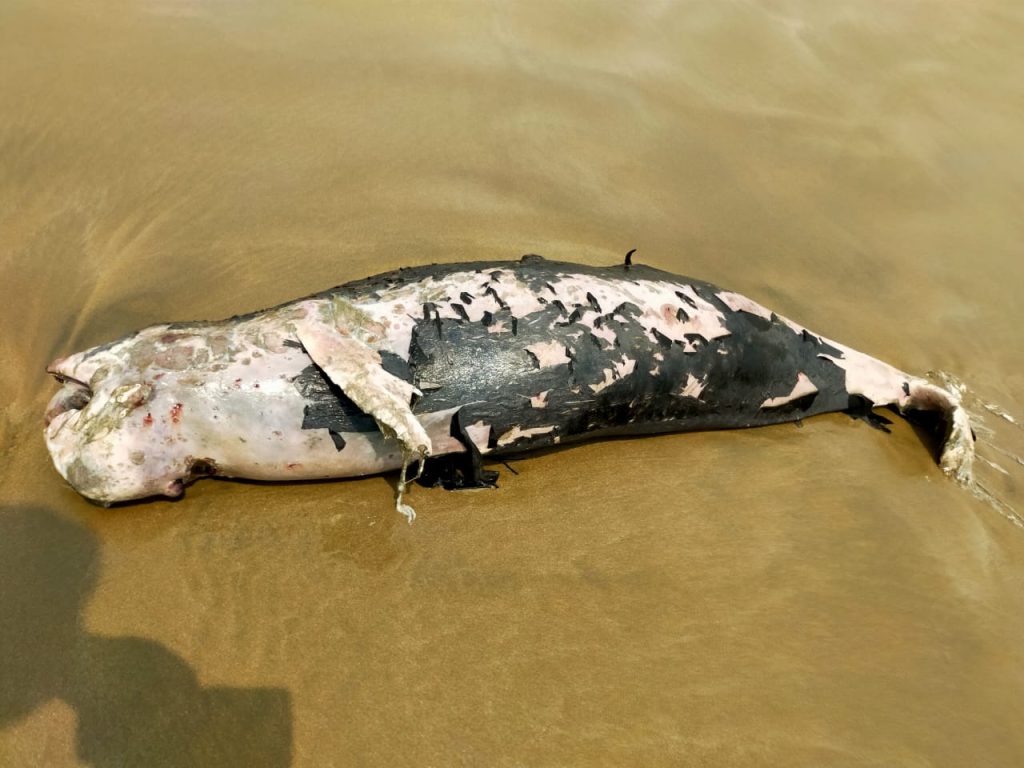
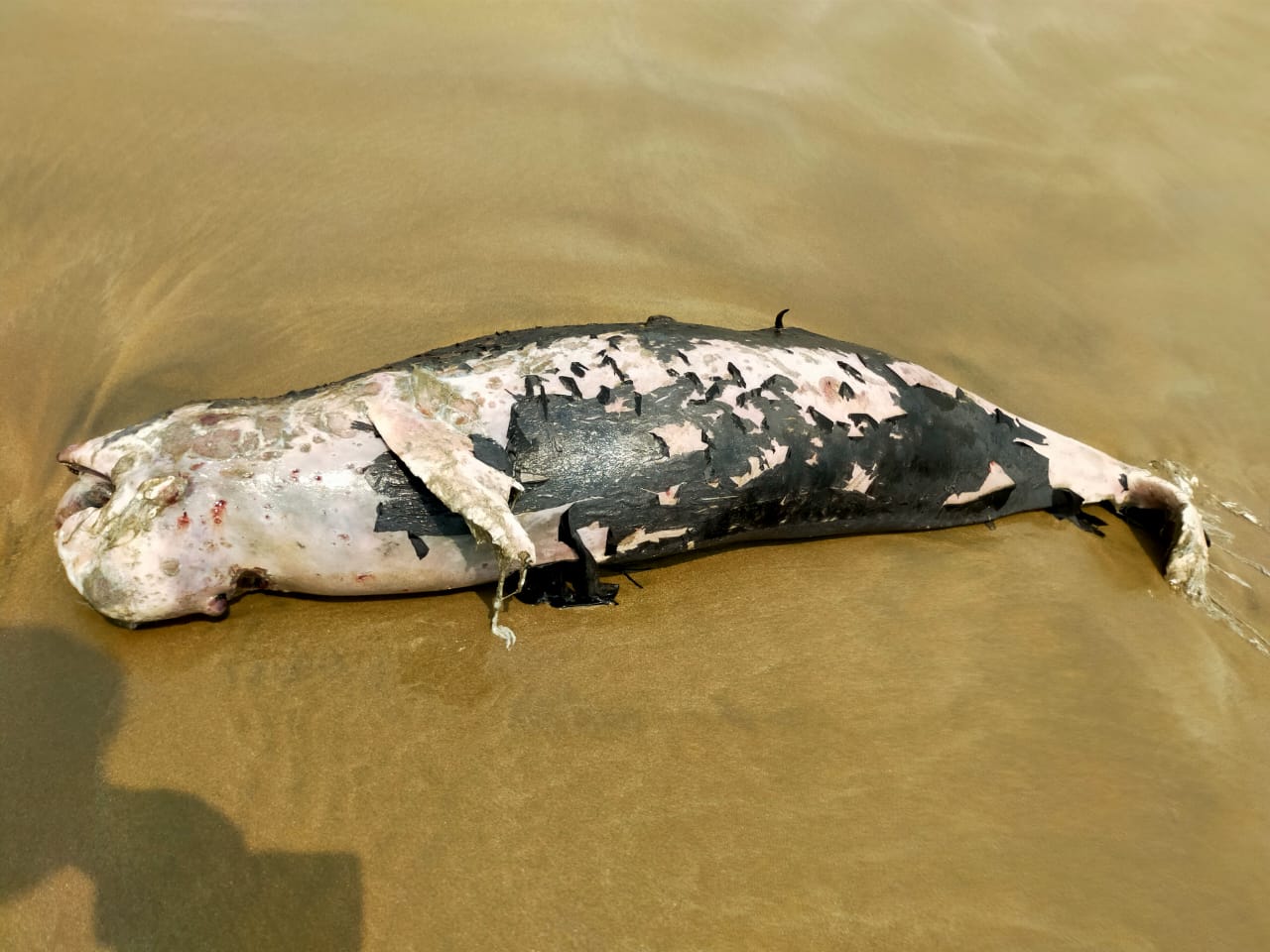
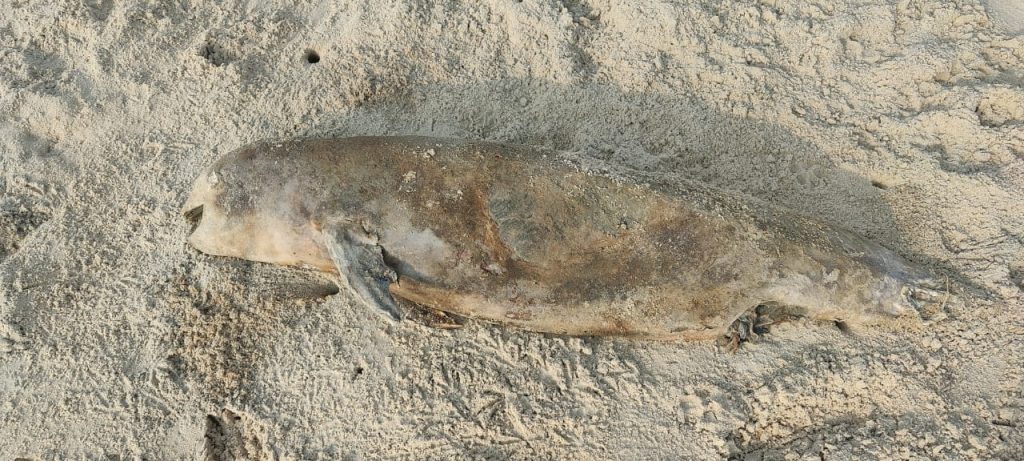
In September alone, multiple incidents were reported where Indo-Pacific Finless Porpoises, Indian Ocean Humpback Dolphin calves, and other marine species washed-up dead-on beaches like Velsao and Agonda. The frequency and pattern of these deaths have raised significant alarm among environmentalists, who emphasize the need for detailed investigations and the implementation of urgent protective measures to prevent further losses.
Goa’s marine biodiversity is rich and unique, making these deaths even more concerning. Wildlife activists point out that the crisis is not just about isolated incidents but reflects an ongoing environmental degradation that, if unchecked, could threaten the balance of coastal ecosystems and the local economy reliant on tourism.
Pollution and Human Interference as Primary Suspects
Several experts believe pollution to be a leading cause behind these fatalities. Goa’s waters are increasingly affected by untreated waste discharge, chemicals, and debris, creating a hazardous environment for marine life. The buildup of pollutants often leads to low oxygen levels, which weakens and eventually kills marine animals. Over time, such pollution can cause severe disruptions to the breeding, feeding, and migratory patterns of various species that rely on coastal habitats for survival.
Additionally, fishing practices, particularly those using nets that can trap and harm marine animals, are suspected to be contributing factors. Entanglement in fishing gear is a major threat, as dolphins and turtles can become ensnared and unable to surface for air, leading to drowning. Conservationists argue that stricter regulations and enforcement of sustainable fishing practices could reduce this threat.
Conservationists Demand Action
The wave of deaths has pushed local activists to demand greater accountability from authorities, specifically the Forest Department, to address these environmental threats. Conservation groups are urging a coordinated approach, including better waste management, stricter pollution controls, and increased patrolling to monitor harmful activities along the coast.
An investigation into the root causes is essential, but long-term solutions will also require improved public awareness and community involvement in conservation. Many wildlife advocates call for ongoing research on the health of the marine ecosystem and frequent assessments of pollution levels along Goa’s shores.
Collaborative Efforts for Lasting Change
The crisis in Goa underscores the urgent need for government intervention and public cooperation. As more locals and visitors express concern, community initiatives are gaining traction, focusing on beach clean-ups and campaigns promoting sustainable tourism. These efforts, if supported by policy changes, could mitigate further marine life casualties and preserve Goa’s natural treasures.
The situation along Goa’s beaches serves as a stark reminder of how human impact directly affects marine life. Protecting these ecosystems is not just about safeguarding individual species; it is about ensuring a balanced environment that supports biodiversity, tourism, and the local economy.
A Call for Immediate Action
To restore balance, conservationists stress that action must be swift and decisive. From stricter pollution controls and sustainable fishing practices to effective waste management and community education, addressing these interconnected issues can help protect Goa’s coastal ecosystems for future generations. As awareness grows, there is hope that proactive measures will transform Goa’s shores into a safe haven for marine life once again.