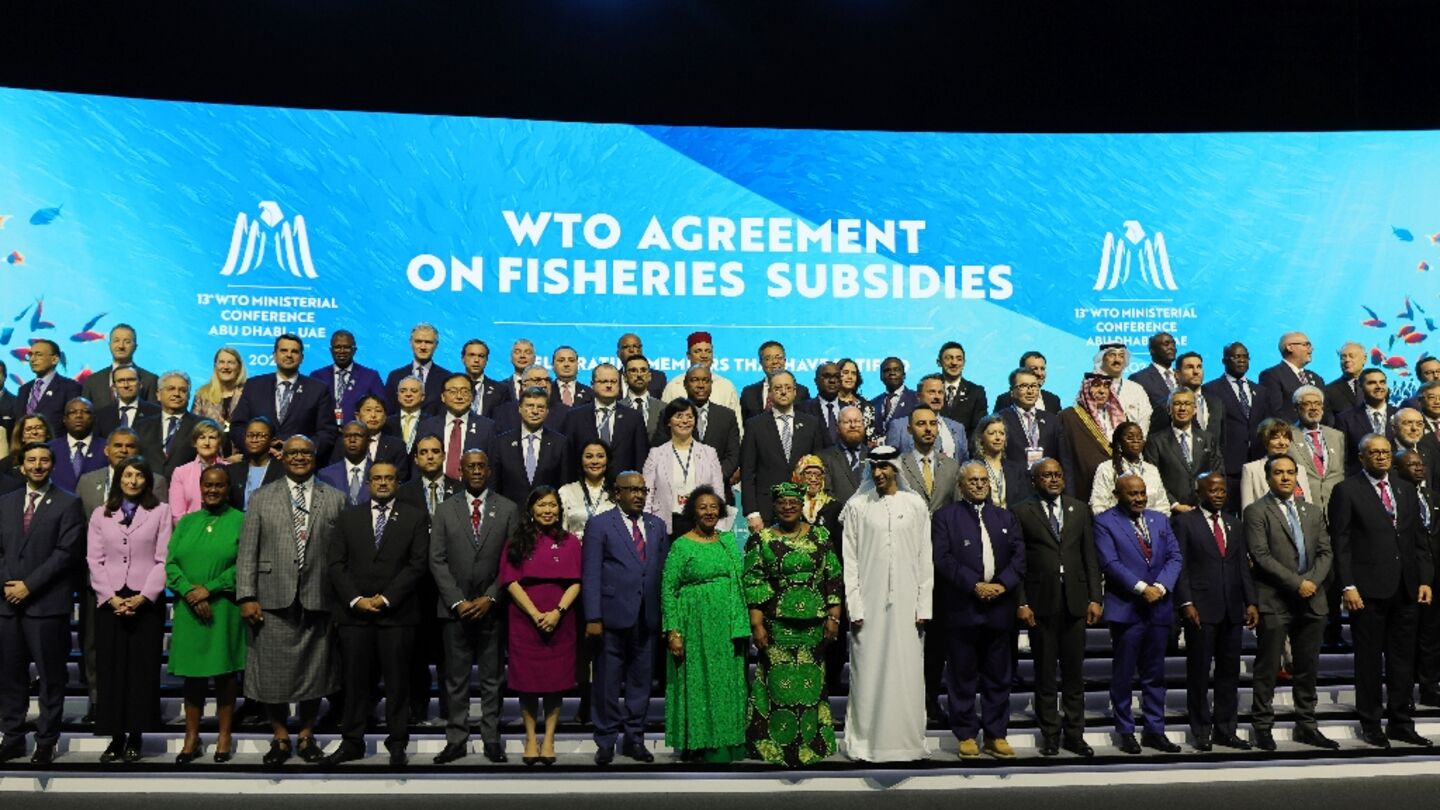

The National Platform for Small Scale Fish Workers (NPSSFW) recently voiced strong concerns over the upcoming World Trade Organization (WTO) fisheries subsidy negotiations, scheduled at the 13th Ministerial Conference (MC13) in Abu Dhabi from February 26-29, 2024. NPSSFW’s press statement emphasizes the need for fair subsidies for small-scale fisheries (SSF), which are essential for food security, economic equity, and sustainable fishing practices in developing nations.
Key Issues with WTO’s Current Negotiation Approach
The WTO’s approach to fisheries subsidies has sidelined small-scale fish workers, failing to provide them a participatory role in negotiations. NPSSFW argues that subsidies directed at SSF sustain livelihoods, promote ecological balance, and support the employment of women, who make up a significant portion of this workforce. Small-scale fishers rely on these subsidies to maintain sustainable practices and to cope with the urgent challenges posed by climate change.
NPSSFW’s Arguments for Sustaining SSF Subsidies
NPSSFW highlights that subsidies to SSF should not fall under the WTO’s purview as they pertain to local resource management, not international trade. For many developing and least-developed countries, these subsidies are essential for shifting to sustainable fishing practices and restoring marine ecosystems. NPSSFW insists that subsidies must be based on regional definitions of “small-scale” rather than arbitrary global metrics, as the ecological footprint of SSF varies widely across regions.
Furthermore, NPSSFW contests the WTO’s blanket approach of limiting subsidies based on assumptions of overfishing and overcapacity. Instead, NPSSFW advocates for a nuanced evaluation, distinguishing sustainable SSF from large-scale, industrial fishing practices that have far greater impacts on marine depletion.
Advocating for Ecological and Social Sustainability
The NPSSFW has underscored that any new agreement must recognize the social sustainability aspects of SSF. This means focusing not just on Maximum Sustainable Yield (MSY) but also on how SSF support local communities, protect biodiversity, and foster an equitable income distribution. Developed countries with industrial fishing sectors, the NPSSFW argues, should bear a greater responsibility under the “Common But Differentiated Responsibilities” (CBDR) framework. Countries responsible for global fisheries depletion should finance reparation efforts, supporting smaller nations’ sustainable fishing.
A Call for Global Solidarity Among Fish Workers
In its closing call to action, NPSSFW urges small-scale fish workers worldwide to unite against WTO policies that undermine SSF. It calls on governments, especially in developing regions, to protect traditional fishing rights, refrain from supporting industrial fishing, and to defend local SSF interests in the global policy arena. This strong stance by NPSSFW brings the plight of small-scale fish workers into the spotlight, emphasizing the need for fair and sustainable practices that honor both ecological and social justice on the global stage.